Pamela Robertson Wojcik
Andrew V. Tackes Professor of Film, Television, and Theatre

- Office
- B028 DeBartolo Performing Arts Center
Notre Dame, IN 46556 - Phone
- 574-631-8599
- pamela.wojcik.5@nd.edu
On leave for 2026-2027 academic year
Biography
Pamela Robertson Wojcik is the Andrew V. Tackes Professor of Film, Television, and Theatre and Concurrent in Gender Studies and American Studies. She was director of Gender Studies from 2009-2015. Wojcik is the past president of the Society for Cinema and Media Studies and recipient of a Guggenheim fellowship.
Wojcik received her Ph.D. from the University of Chicago in 1994 and her BA from Wellesley College in 1986. She taught at the University of Newcastle in Australia from 1994 to 1997. She was educational outreach coordinator for the Chicago International Film Festival and developed programs for high school students and deaf and hard-of-hearing moviegoers.
Wojcik has taught at Notre Dame since 1998. Her courses include Basics of Film and Television, Critical Approaches to Screen Cultures, Global Film History I, The Movie Musical, Sinatra, Gender and Space, The Child in Cinema, and Camp: Theories and Practices. In 2020, Wojcik won the College of Arts and Letters Sheedy Award for Excellence in Teaching.
Wojcik’s research focuses on American cinema with particular interest in examining the ways in which film negotiates and interrogates issues of modernity, gender, and cultural change. Her early work on feminist camp established her reputation within performance and star studies. In recent years, her research has been central in shaping the spatial turn in cinema and media studies, especially through her book on the apartment plot as a genre. Extending her interest in space to childhood studies, she examined the figure of the spatially mobile urban child and she continued her exploration of youth culture in a book about Gidget as teen girl transmedia. Wojcik’s book Unhomed: Cycles of Mobility and Placelessness in American Cinema examines America’s ambivalent and shifting attitude toward placelessness through marginalized figures of precarious mobility, including tramps, hitchhikers, World War II servicemen, the homeless, and contemporary youth.
She has edited six collections of essays on topics including the pop music soundtrack, film acting, film stardom in the 1960s, the apartment plot, intersectional identities and space, and American film history; and she edited the ten-volume book series Screening Spaces at Palgrave.
Research and Publications
-

Fantasies of Neglect: Imagining the Urban Child in American Film and Fiction
Rutgers University Press, 2016
-
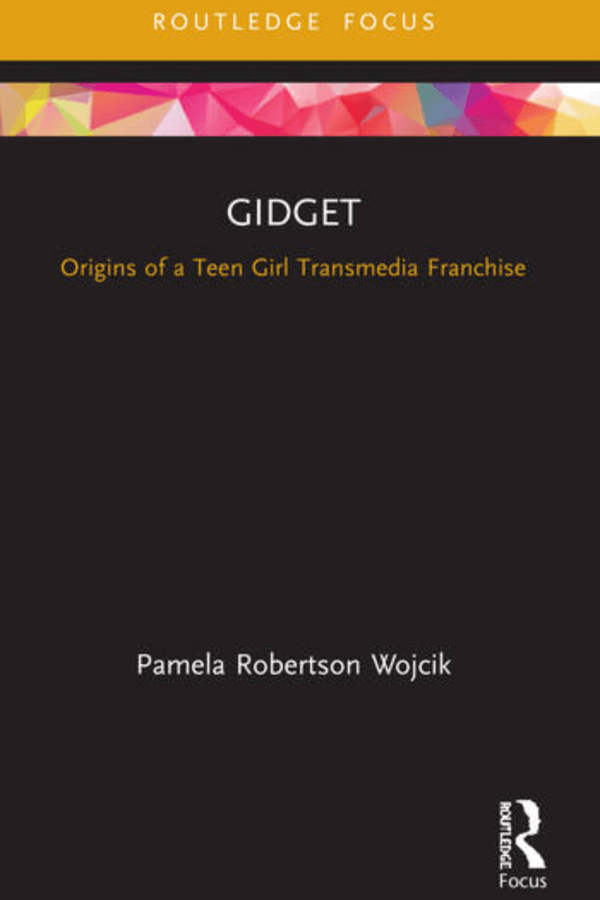
Gidget: Origins of a Teen Girl Transmedia Franchise
Routledge, 2020
-
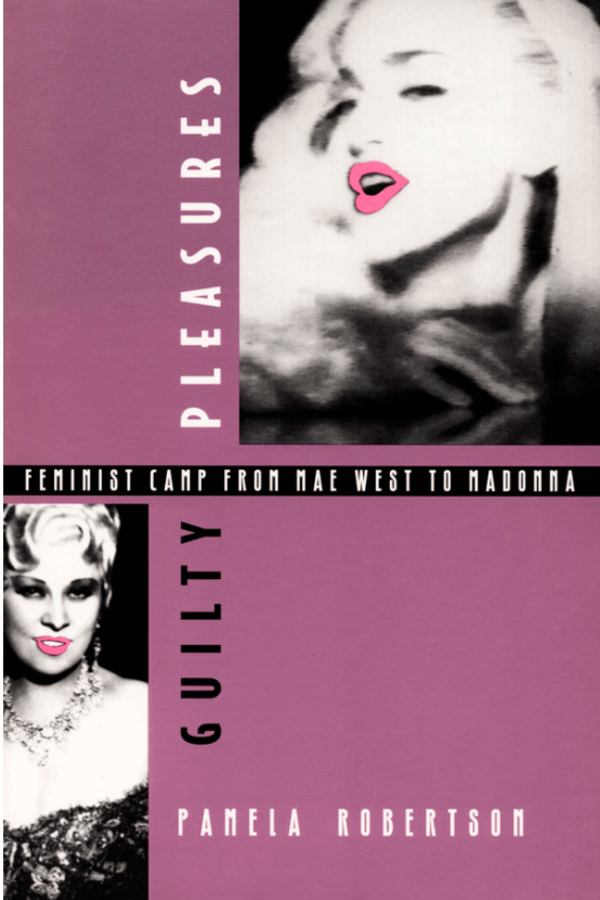
Guilty Pleasures: Feminist Camp from Mae West to Madonna
Duke University Press & I.B. Taurus Publications, 1996
-
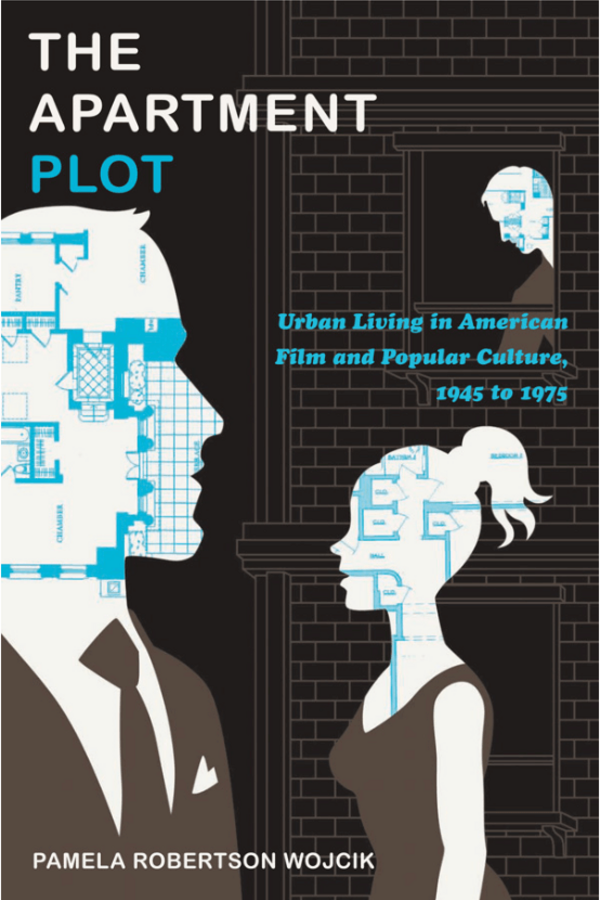
The Apartment Plot: Urban Living in American Film and Popular Culture, 1945 to 1975
Duke University Press, 2010
-

Unhomed: Cycles of Mobility and Placelessness in American Cinema
University of California Press, 2024